Vải Polyester dành cho Sarong truyền thống phổ biến của Thái Lan được chế tạo từ các sợi polyester được lựa chọn cẩn thận, với sự kiểm soát chất lư...
See Details


Hướng dẫn về vải Sarong truyền thống quốc gia Đông Nam Á
Tin tức ngành-“ vải sarong truyền thống dân tộc ”trên khắp Đông Nam Á được hiểu rõ nhất là dòng sản phẩm dệt may bọc — loại vải dài phổ biến nhất được làm bằng kỹ thuật đặc trưng như batik , ikat và bài hát , each tied to specific countries, ceremonies, and weaving communities. Indonesian batik, fhoặc example, is formally recognized by UNESCO as intangible cultural heritage (inscribed in 2009). :contentReference[oaicite:0]{index=0}
Những gì được coi là “vải sarong” ở Đông Nam Á
In Southeast Asia, “sarong” can mean either a tubular garment or a rectangular cloth wrapped and secured at the waist. The fabric is often decorated using batik or ikat methods, or woven as brocade-like luxury cloth (bài hát). :contentReference[oaicite:1]{index=1}
Kích thước thực tế bạn sẽ thực sự thấy trong các cửa hàng
Kích cỡ khác nhau tùy theo quốc gia và kiểu dáng quần áo, nhưng những thông tin tham khảo thực tế này sẽ giúp bạn mua hàng chính xác:
- longyi Mianma: dài khoảng 2 m và rộng 80 cm , commonly sewn into a cylinder. :contentReference[oaicite:2]{index=2}
- Sampot chang kben của Campuchia (một loại khăn choàng giống như quần): được coi là một tấm vải hình chữ nhật dài khoảng 3m và rộng 1m . :contentReference[oaicite:3]{index=3}
- Malong miền Nam Philippines: được mô tả là dài khoảng 4 thước và cao ~ 50 inch (often tubular). :contentReference[oaicite:4]{index=4}
Ba nền tảng “vải sarong truyền thống dân tộc”
Nếu bạn muốn có sự tự tin cao, phù hợp với nền tảng văn hóa với “vải sarong truyền thống của các quốc gia Đông Nam Á”, đây là ba kỹ thuật bạn sẽ gặp thường xuyên nhất ở các quốc gia và bối cảnh trang phục trang trọng.
| Vải/kỹ thuật | Nó được tạo ra như thế nào | Tín hiệu thị giác | Trường hợp sử dụng tốt nhất |
|---|---|---|---|
| batik | Nhuộm chống sáp trên vải; biểu tượng họa tiết sâu sắc | Các cạnh họa tiết sắc nét; lặp đi lặp lại các mẫu biểu tượng | Trang phục hàng ngày đi dự các buổi lễ; mang tính biểu tượng ở Indonesia |
| Ikat | Chống nhuộm sợi trước khi dệt | Các cạnh có hoa văn mềm mại “mờ” hoặc có lông | Vải bọc bền; dệt di sản khắp vùng |
| bài hát | Dệt thủ công với sợi ngang bổ sung sử dụng sợi kim loại | Họa tiết vàng/bạc lung linh (hiệu ứng gấm) | Đám cưới, các dịp lễ cấp nhà nước, trang phục trang trọng (thế giới Mã Lai) |
Indonesian batik is internationally recognized by UNESCO for its techniques, symbolism, and cultural role (inscribed in 2009). :contentReference[oaicite:5]{index=5} Ikat is widely described as a Southeast Asian-origin resist-dye method applied to yarns prior to weaving, producing its characteristic softened pattern boundaries. :contentReference[oaicite:6]{index=6} Songket is consistently defined as a handwoven textile with gold or silver threads, historically spread across the Malay world (including Indonesia, Malaysia, Brunei). :contentReference[oaicite:7]{index=7}
Cách nhận biết vải sarong đích thực và vải in du lịch
Bạn không cần phải là chuyên gia về dệt may—hãy sử dụng một số bước kiểm tra có tín hiệu cao để liên hệ trực tiếp với cách sản xuất những loại vải này.
Batik: tìm kiếm “dấu vân tay” quá trình, không chỉ là họa tiết
- If a piece is marketed as heritage batik but the pattern looks perfectly uniform on both sides with no dye-depth variation, it may be a surface print rather than a resist-dyed cloth (batik is defined by technique and cultural practice, not just visual style). :contentReference[oaicite:8]{index=8}
- Ask for the technique: sellers who can describe wax-resist steps and motif meaning usually deal in higher-integrity work, consistent with UNESCO’s framing of batik as technique symbolism culture. :contentReference[oaicite:9]{index=9}
Ikat: “làm mờ” là một tính năng, không phải là một khuyết điểm
Ikat’s hallmark is that yarns are resist-dyed before weaving, so the pattern alignment naturally creates slightly feathered edges; a perfectly sharp, pixel-like ikat motif can indicate digital printing. :contentReference[oaicite:10]{index=10}
Songket: xác nhận dệt sợi kim loại, không phải mực kim loại
Songket is described as a handwoven fabric where metallic threads are inserted as supplementary weft, producing a true raised shimmer. If the shine disappears when you tilt it and the surface feels flat like ink, treat “bài hát” as a marketing label rather than a weaving structure. :contentReference[oaicite:11]{index=11}
Các ví dụ cụ thể theo quốc gia thể hiện cách sử dụng “truyền thống quốc gia”
Đông Nam Á rất đa dạng, nhưng một số cách kết hợp đặc biệt ổn định nếu bạn muốn ví dụ về “vải sarong truyền thống dân tộc” để đi du lịch, tặng quà hoặc trang phục văn hóa.
- Indonesia: Batik is a nationally emblematic textile tradition recognized by UNESCO (2009). :contentReference[oaicite:12]{index=12}
- Myanmar: Longyi (loại quấn giống xà rông) được mặc rộng rãi; kích thước tham chiếu phổ biến là ~2 m × 80 cm . :contentReference[oaicite:13]{index=13}
- Thế giới Mã Lai (Malaysia / Brunei / một phần của Indonesia): Songket is a signature ceremonial fabric woven with gold or silver threads. :contentReference[oaicite:14]{index=14}
- Campuchia: Hệ thống vải xếp nếp truyền thống bao gồm các dạng sampot; một ví dụ được ghi lại là một tấm vải hình chữ nhật ~ dài 3 m và rộng 1 m for sampot chang kben. :contentReference[oaicite:15]{index=15}
- Nam Philippin: Malong là một loại quần áo hình ống; kích thước được tham chiếu là ~ dài 4 thước và cao ~ 50 inch . :contentReference[oaicite:16]{index=16}
Danh sách kiểm tra mua hàng: chọn loại vải phù hợp cho nhiệt, nghi lễ và ngân sách
Hãy sử dụng công cụ này như một công cụ đưa ra quyết định thiết thực khi mua sắm ở chợ hoặc danh sách trực tuyến.
Nếu bạn cần một chiếc xà rông hàng ngày
- Chọn chất liệu cotton thoáng khí hoặc cotton pha; ưu tiên chiều rộng/chiều dài thoải mái gần với tiêu chuẩn khu vực (ví dụ: tài liệu tham khảo longyi xung quanh 2 m × 80 cm ). :contentReference[oaicite:17]{index=17}
- For ikat, accept minor pattern “softness” as normal for yarn-resist weaving. :contentReference[oaicite:18]{index=18}
Nếu bạn cần một loại vải nghi lễ / trang trọng
- chọn bài hát when you want visible prestige—its defining feature is supplementary weft metallic threads (gold/silver). :contentReference[oaicite:19]{index=19}
- chọn culturally grounded batik when motif meaning matters; UNESCO specifically frames batik as technique symbolism embedded in life events. :contentReference[oaicite:20]{index=20}
Câu hỏi nhanh về chất lượng để hỏi người bán
- Is it wax-resist dyed (batik), yarn-resist woven (ikat), or metallic-thread woven (songket)? :contentReference[oaicite:21]{index=21}
- Kích thước chính xác tính bằng cm hoặc mét là bao nhiêu (không dựa vào “một kích thước”)? Sử dụng tài liệu tham khảo như ~2 m × 80 cm for longyi-type wraps. :contentReference[oaicite:22]{index=22}
- What fiber is it (cotton vs silk)? Songket is commonly described as silk or cotton with metallic threads. :contentReference[oaicite:23]{index=23}
Bảo quản và bảo quản: giữ vải sarong truyền thống có thể mặc được trong nhiều năm
Traditional sarong fabric longevity depends on matching care to construction—especially for dyed surfaces (batik), yarn-dyed weaves (ikat), and metallic-thread structures (songket). :contentReference[oaicite:24]{index=24}
- For batik: avoid harsh detergents and prolonged direct sun; batik is defined by hand-applied resist and dyed cloth culture, so treat it as a dyed textile, not a “printed towel.” :contentReference[oaicite:25]{index=25}
- For ikat: hand-washing reduces abrasion on yarn-dyed patterning created before weaving. :contentReference[oaicite:26]{index=26}
- For songket: store folded with soft tissue or cloth layers to reduce snag risk on metallic threads inserted during weaving. :contentReference[oaicite:27]{index=27}
Tóm lại: sự lựa chọn “vải sarong truyền thống dân tộc” tốt nhất
Nếu bạn cần một câu trả lời có độ tin cậy cao: chọn batik Indonesia để tham khảo vải sarong truyền thống quốc gia được công nhận rộng rãi nhất (được UNESCO công nhận năm 2009) và chọn bài hát or ikat when your goal is respectively formal prestige or heritage weaving identity across Southeast Asia. :contentReference[oaicite:28]{index=28}
Liên quan sản phẩm
-
-
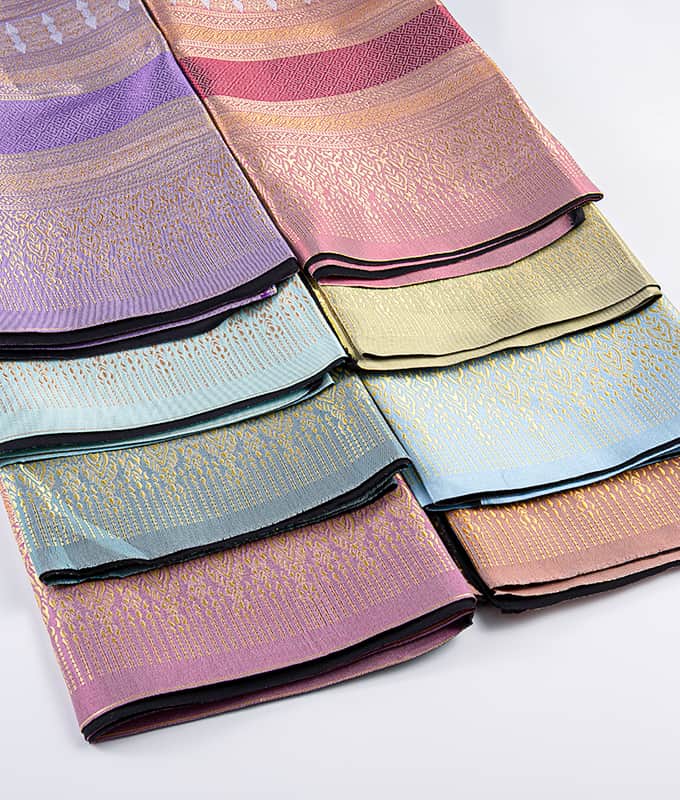
100% Polyester Jacquard Hoa văn Vải Sarong Đông Nam Á đầy màu sắc - bền, rực rỡ và dễ chăm sóc, được thiết kế để mang lại cả vẻ đẹp và tính thực tế...
See Details -
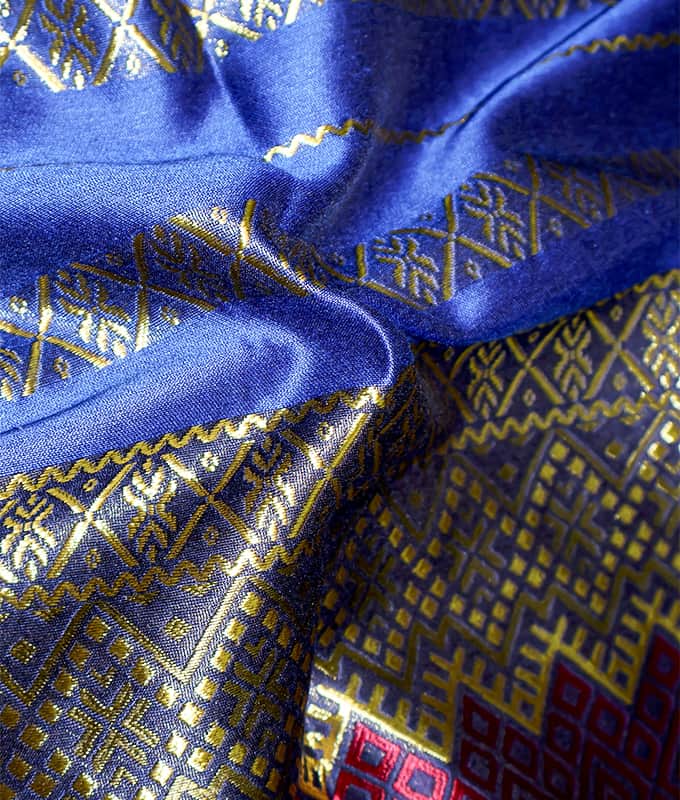
Vải Jacquard Polyester rỗng cho khăn Sarong truyền thống của Lào - sự kết hợp hoàn hảo giữa di sản văn hóa Lào và sự đổi mới về sợi hiện đại. Với h...
See Details -
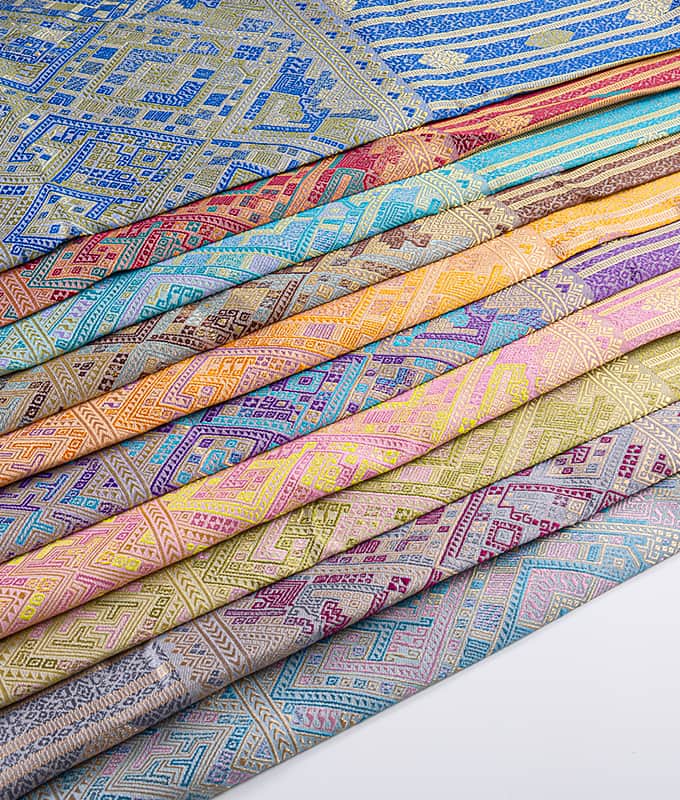
Vải Poly-Bông Sợi Vàng Sọc Dọc dành cho Sarong kết hợp giữa độ bền và sự thoải mái với một chút sang trọng. Với các sọc vàng được sắp xếp theo chiề...
See Details -
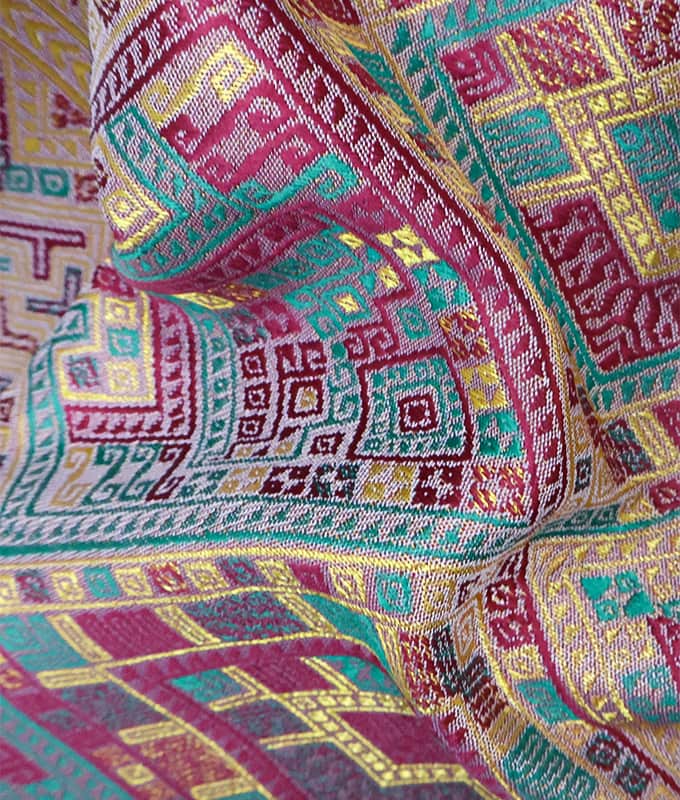
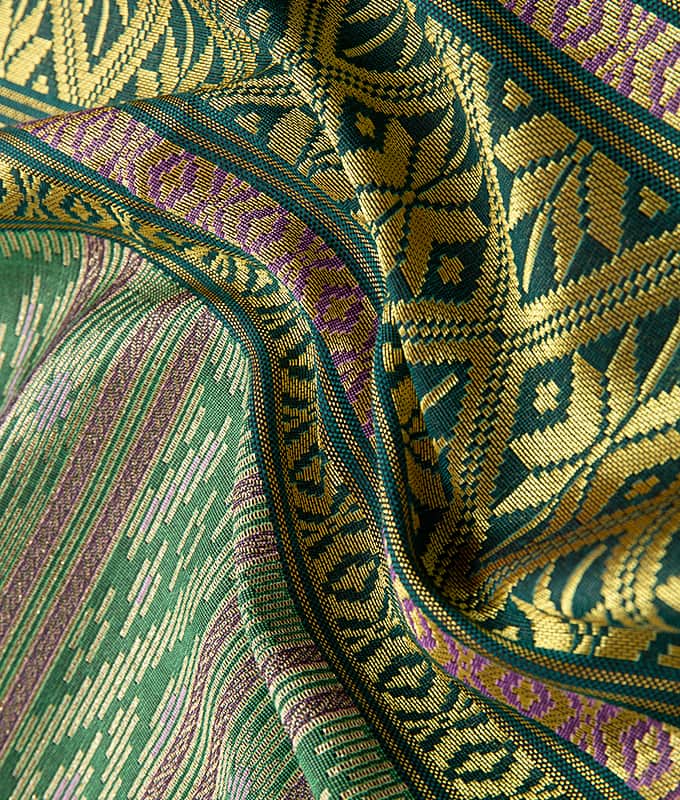
Vải Jacquard Polyester giống lụa cho Thai Pha Sinh Sarong — kết hợp sự sang trọng của kết cấu giống lụa với kỹ thuật dệt hoa có độ chính xác cao, đ...
See Details -
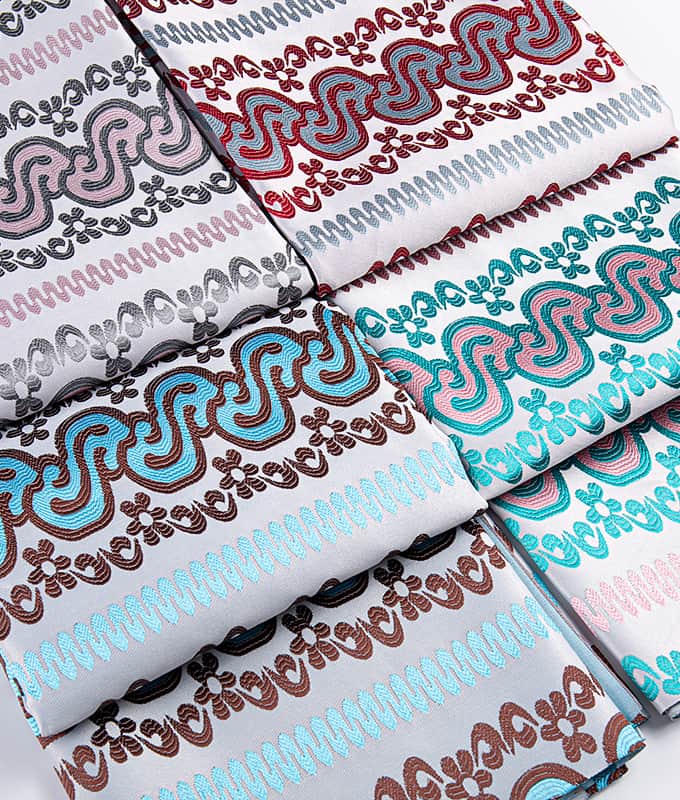
Vải Jacquard Polyester có kết cấu 3D hình chữ S dành cho Sarong kết hợp sự sang trọng với độ bền. Được chế tạo bằng công nghệ jacquard điện tử tiên...
See Details

